
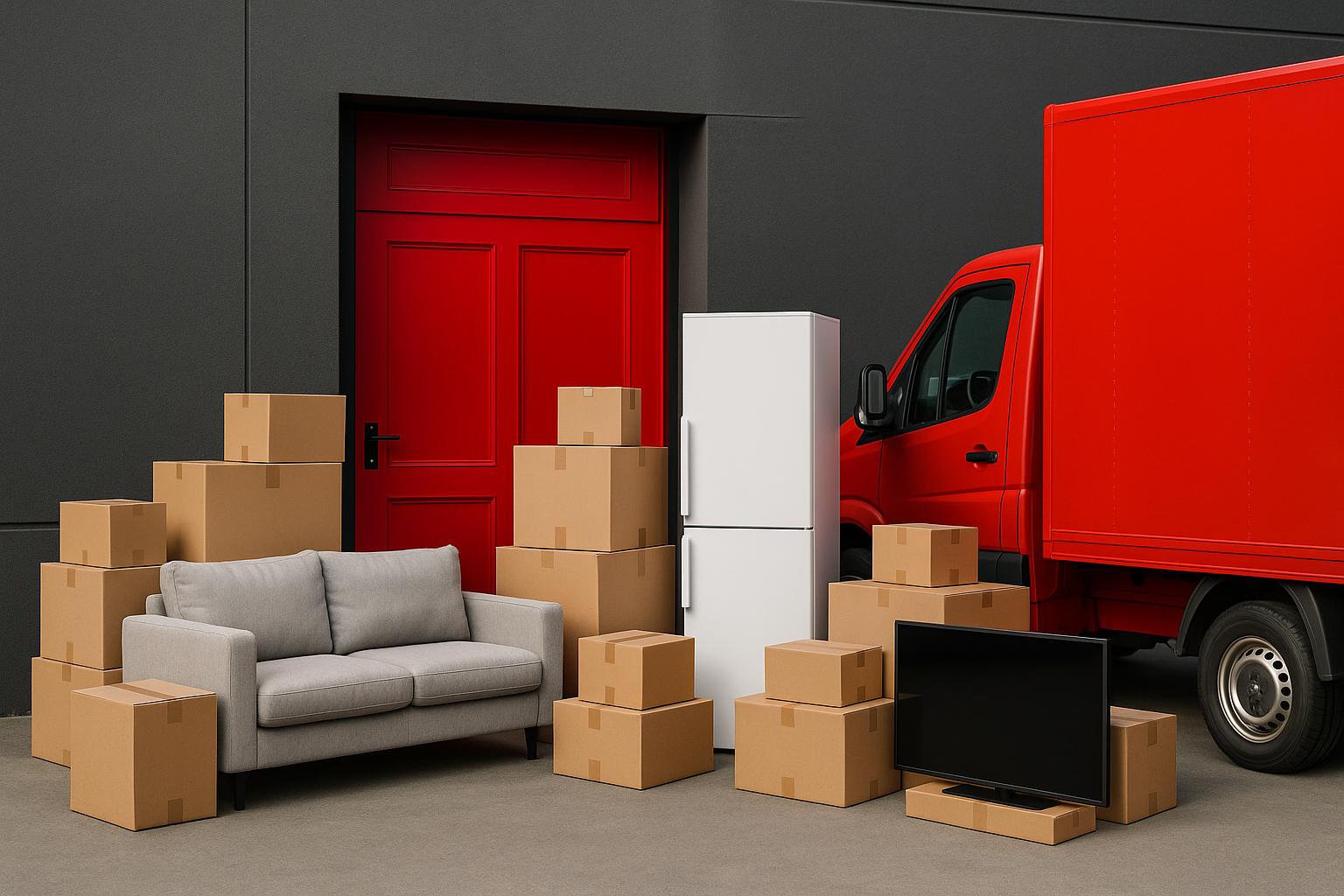
Fridge chest freezer and food during a summer move
Planning supplies
The cold chain on moving day
Arrive fresh
On moving day the fridge is off for a few hours – not a big problem in winter, but it is in high summer. Yoghurt, meat and frozen food spoil quickly at 30 degrees in the kitchen. If you start using up your supplies a week beforehand and defrost the freezer in good time, there is only a little left to keep cool on moving day. At Beste Umzug Unternehmen we plan the fridge and chest freezer as fixed points in the loading order, so that they are standing again early at the new place.
A fridge that is switched off, defrosted and dry can be transported safely. We secure the doors; shelves and glass plates should be taken out beforehand and packed separately. We quote the fixed price after the survey, your belongings are covered by liability under the German Commercial Code (HGB) (§ 451e: €620 per m³), and additional insurance is possible. Ask us during the survey when the fridge is best loaded – usually rather late, so that it keeps running until the end.
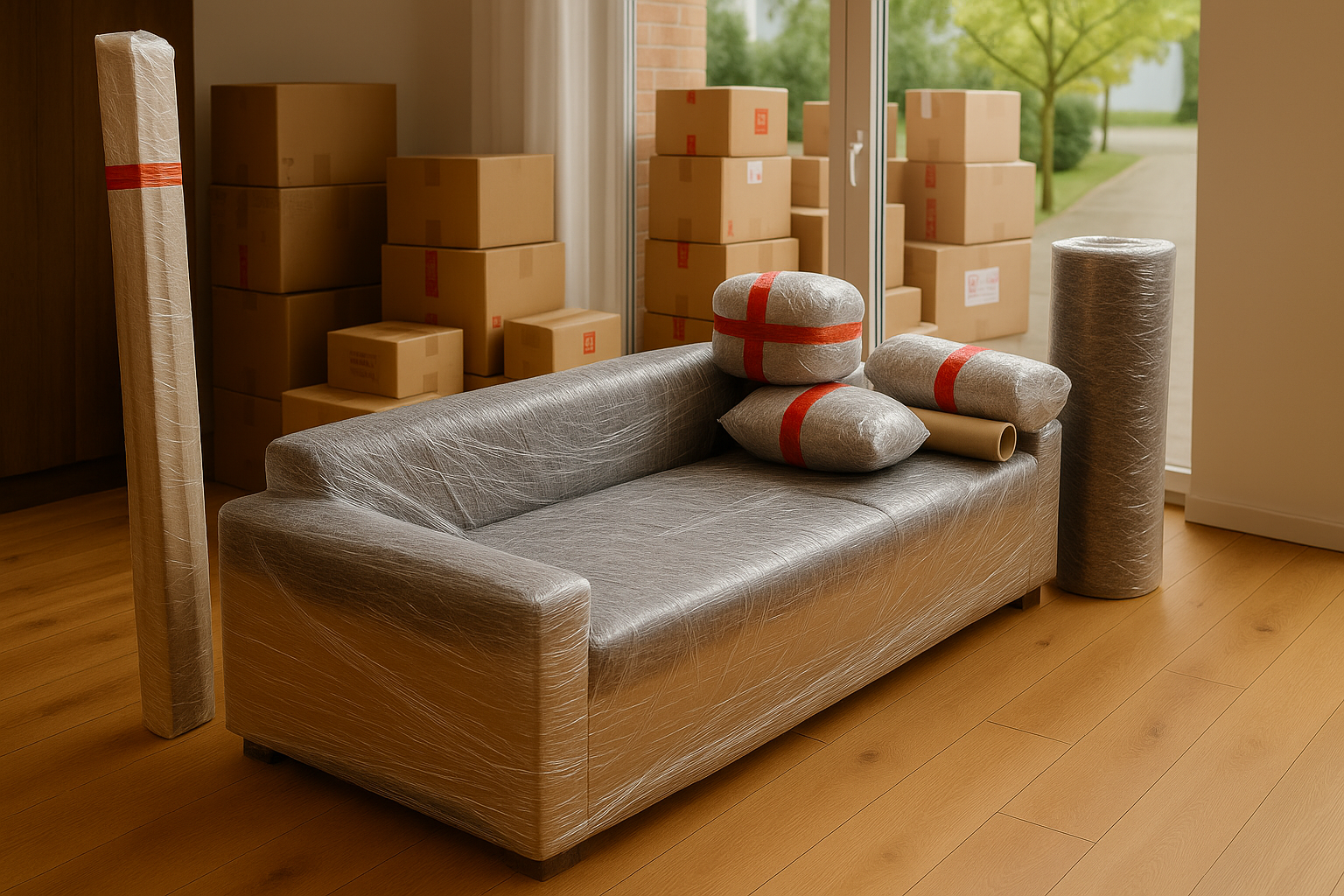
Planning a move with your kitchen
Plan the fridge in early
A fridge, a chest freezer or even a second appliance in the cellar? Tell us when you enquire. Then we agree when the appliances must be defrosted, in what order we load them and where they are set up first in the new flat. That way the time without power stays short. Call us on 01625978461 – the quote is non-binding.
Offers available individually, depending on effort, scheduling and the scope of services required.
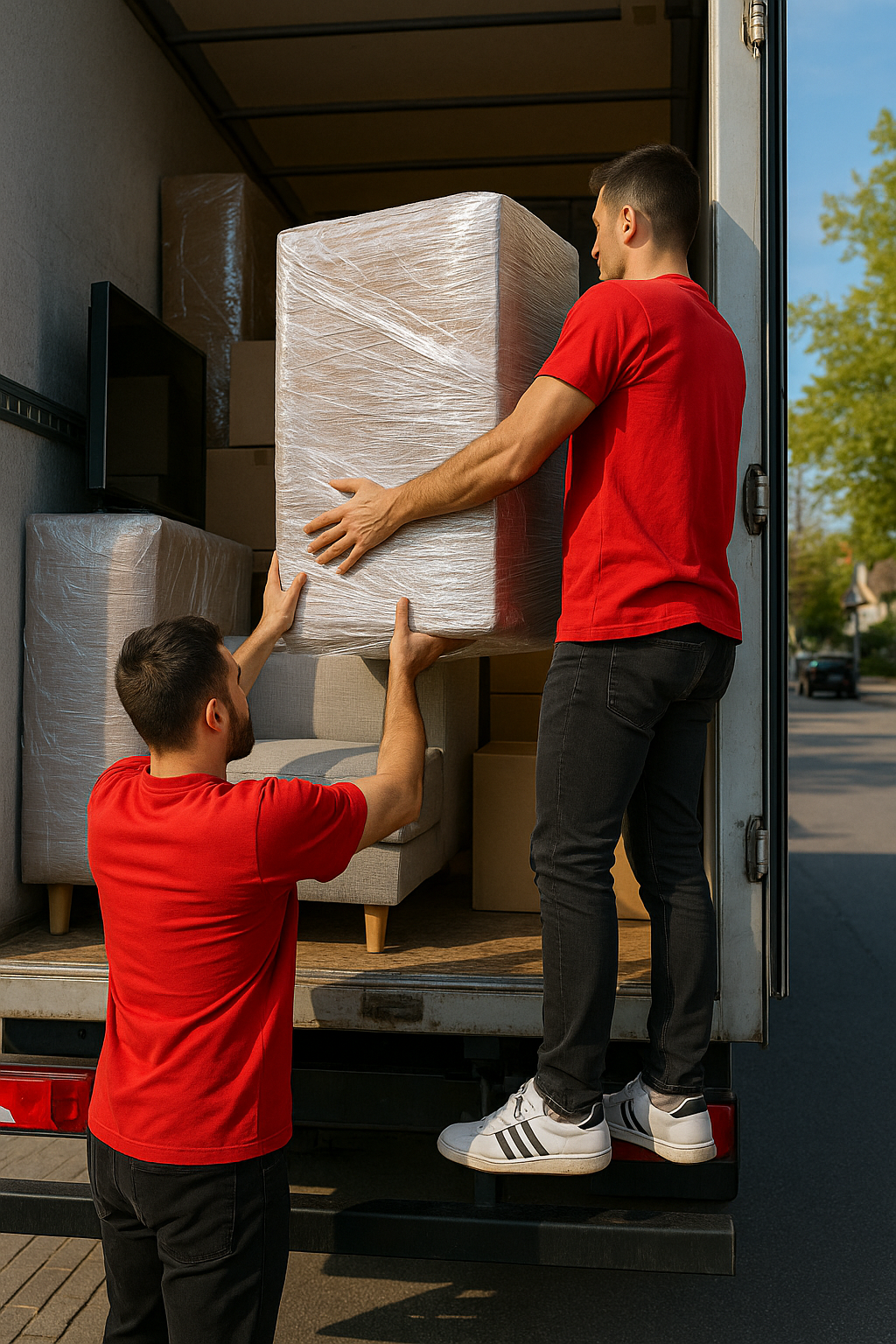
How we plan cooling appliances during a move
Defrosted, secured, first
Fridges and chest freezers are heavy, have sensitive pipes and should be running again quickly at the new place. That is why, during the survey, we discuss whether the appliances can be transported upright, how long they need to defrost beforehand and where the socket is in the new kitchen. In the new flat we set up the cooling appliances as early as possible. We are based in Berlin (Stromstraße 21) and work at a fixed price after a survey – more on the private move.
Packing service
Staff kitchen
Senior moves
Large appliances
From a full fridge to an empty one
An empty, defrosted fridge is half the battle on moving day. These six steps help you plan your supplies in good time and avoid breaking the cold chain – whether you move with us, hire a van or rebuild the kitchen just a few streets away.
Use up a week beforehand
Defrost the freezer
Have a cool box ready
Wipe the inside dry
Remove loose parts
Observe the resting time
Part load for a fridge
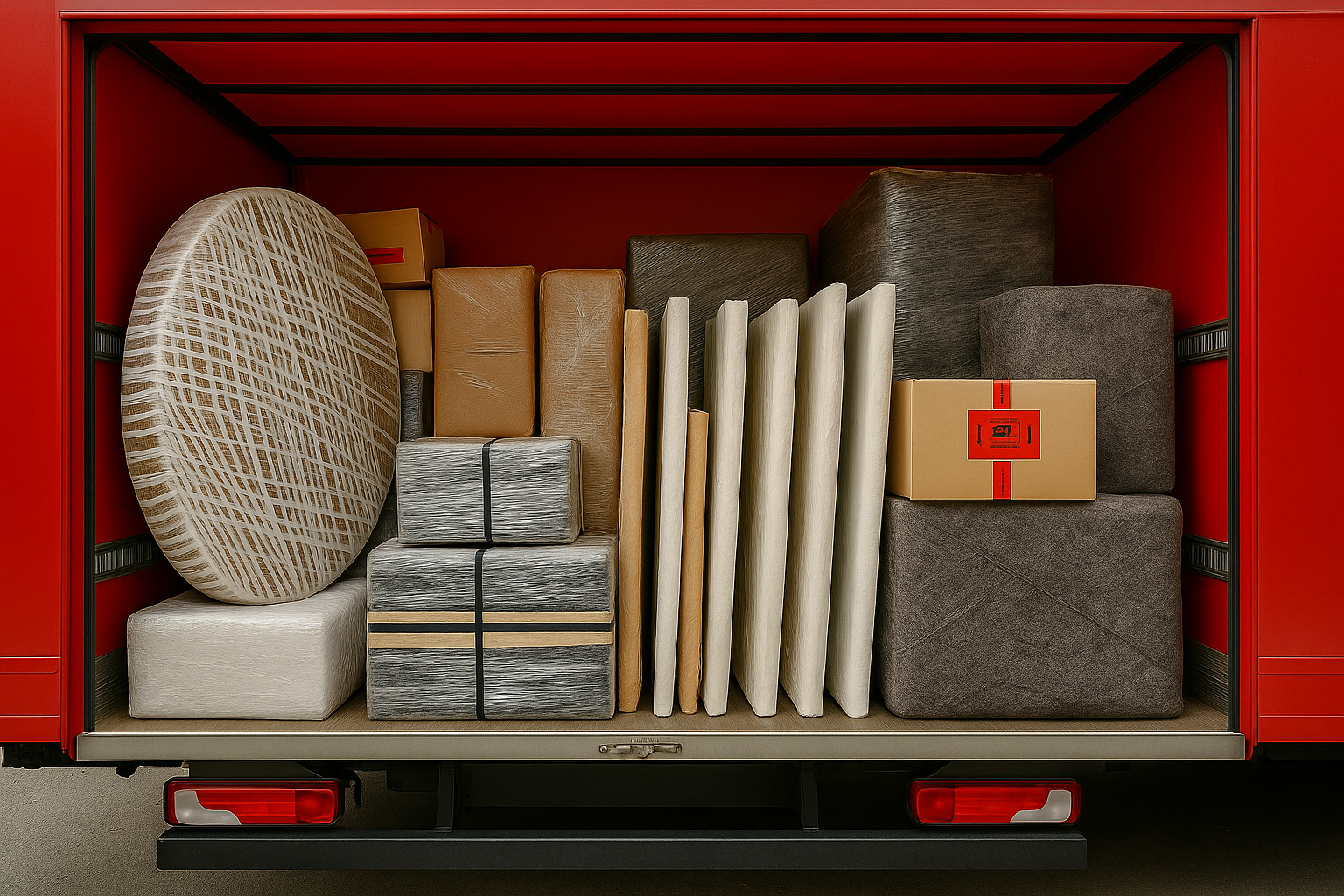
A new fridge for the holiday flat or the old chest freezer to your parents? For a single appliance, a part load may be suitable: it travels on a route together with other orders. It is important that the appliance is empty, defrosted and dry, and that the collection and delivery days are fixed in advance.
Getting
food safely through the day
In summer, the kitchen is often the most critical room in a move. Food that needs refrigeration should not stand unrefrigerated for hours, and frozen food quickly starts to thaw in the warmth. The simplest approach is to plan your supplies so that there is hardly anything left in the fridge on moving day. Whatever is left goes into a cool box. For a long-distance move, it is worth using up frozen food beforehand or giving it away. How to plan drinks and breaks for the helpers is covered in the article Staying healthy through a hot moving day.
Planning supplies and shopping
Transporting cooling appliances
Office, canteen and single appliances

Questions about the fridge and food supplies
Defrosting the freezer and emptying the fridge
A fridge with an iced-up freezer compartment loses meltwater during transport – on the floor of the removal van and on the boxes underneath. So switch off the freezer compartment or chest freezer in good time, usually the day before the move, and catch the meltwater with towels and a shallow dish.
Afterwards the inside is wiped out and dried well. Leave the door open a crack until transport so that no musty smell develops. Pack shelves and glass plates separately.
Using up supplies and transporting leftovers cool
Start using up your supplies about a week before the move, and only buy what will be used by moving day. Anything still left then goes into a cool box with ice packs – it stands in the shade and travels in your own car, not in the hot cargo space.
In the new flat the fridge is set up as early as possible. Many manufacturers recommend a resting time before switching it on; the exact figure is in the operating instructions.
What does the move cost?
- 1 room: from €375 – ideal for students and singles
- 2 rooms: from €584 – for couples and small households
- 3 rooms: from €879 – for families
- 4 rooms: from €1,309 – for larger households
- House/villa: individual quote as required
- Long-distance move: from €4.15/km for longer distances
We are happy to discuss the details during a free survey.
How the price is made up
To understand the costs, it helps to look at volume, distance (from €4.15/km), floor and lift. A no-parking zone (Halteverbotszone) also plays a role. With a part load costs can be shared.
Services for kitchen and household
From dismantling the kitchen to setting up the cooling appliances – you can book these services individually or together.
- Company move: we organise your office move efficiently. Company move
- Furniture transport: professional transport for your furnishings. Furniture transport
- House clearance: fast and clean household clearance. House clearance
- Private move: move stress-free with our team. Private move
- Move with assembly: a complete service including furniture assembly. Move with assembly
- Part load: the budget-friendly transport solution. Part load
Moves from Berlin in every direction
We are based in Berlin (Stromstraße 21) and carry out moves, including kitchens and cooling appliances, to all German states and back to Berlin. Destinations with their own page can be found in the locations overview, long distances under long-distance moves.
Related Articles
Choosing where to live as a rail commuter: checking connections, frequency and changes