

Moving in Kreuzberg: rear buildings in the Wrangelkiez Graefekiez and Viktoriapark
Planned in advance
Moves for Kreuzberg rear courtyards
with a survey

Kreuzberg move at a fixed price after a survey
Between the Landwehrkanal and the Spree
Offer subject to availability and only valid for selected dates in Berlin.
PROFESSIONAL MOVING SERVICE
Professional moving solutions for Berlin and the surrounding area. Fast, safe and reliable.

Private move
Long-Distance Move
No-Parking Zone

What we clarify before a move in Kreuzberg
Courtyard, stairs and no-parking zone – checked in advance
Stopping options checked in advance
Period-building know-how
No-parking zone in good time
Flexible dates
Care in period buildings, clarity on price: our values in Kreuzberg
Transparency
Reliability
Care
Flexibility
Sustainability
Personal contact
Part load: sharing small transports from Kreuzberg
Three
topics that shape Kreuzberg moves
Parking & no-parking zone
Period buildings & rear courtyards
Getting around the neighbourhood


Key answers for your move in Kreuzberg
We check access via streets such as Naunynstraße or Waldemarstraße in advance and choose suitably sized vehicles. If needed, we also set up a no-parking zone so that the removal van can park right outside the door.
Moving in Kreuzberg: what rear courtyards and one-way streets mean
Kreuzberg is one of the liveliest neighbourhoods in the Friedrichshain-Kreuzberg district and presents moving companies with challenges of their own. Between Kottbusser Tor, Görlitzer Bahnhof and Schlesisches Tor, Gründerzeit period buildings stand side by side, with narrow cobbled side streets and tight rear courtyards in between. A smooth move in Kreuzberg therefore needs not only strong hands but above all a thorough check in advance: where can the removal van stop, how wide is the access on Wrangelstraße or Paul-Lincke-Ufer, and will the furniture van even fit into the inner courtyard?
As Praktik Transport und Umzüge with the Beste Umzug brand, we plan for these particular features from the start: we come from Moabit and look at every address beforehand. We plan every home removal individually, taking into account the traffic situation around Kottbusser Damm, the roadworks on Skalitzer Straße and the heavy bicycle traffic that is part of everyday life in Kreuzberg. For companies along Ritterstraße or on Mehringdamm, too, our company relocation offers a solution that disrupts day-to-day business as little as possible.
Kreuzberg is characterised by a mix of renovated period buildings, unrenovated older stock and individual IBA buildings from the 1980s, for example around Kotti. This architectural diversity means that no two moves are alike. While on Bergmannstraße there are often wide period stairwells with high ceilings, on Reichenberger Straße there are sometimes narrow, winding stairs without a lift. Our team prepares for every situation in advance, checks the access and plans staffing accordingly. This turns a complex city move into a well-organised process – from the first box to the last screw at the new home.
Moving services in the Kreuzberg neighbourhood at a glance
In and around Kreuzberg we offer the full range of services of a moving company – tailored to the needs of residents between Görlitzer Park and Viktoriapark. Whether students in a flat-share on Mariannenplatz, families on Graefestraße or freelancers with a studio on the Landwehrkanal: we have the right solution for every moving situation.
- Home removal for flats, flat-shares and houses throughout the neighbourhood – see home removal
- Company relocation for offices, law firms and creative agencies along Oranienstraße – more under company relocation
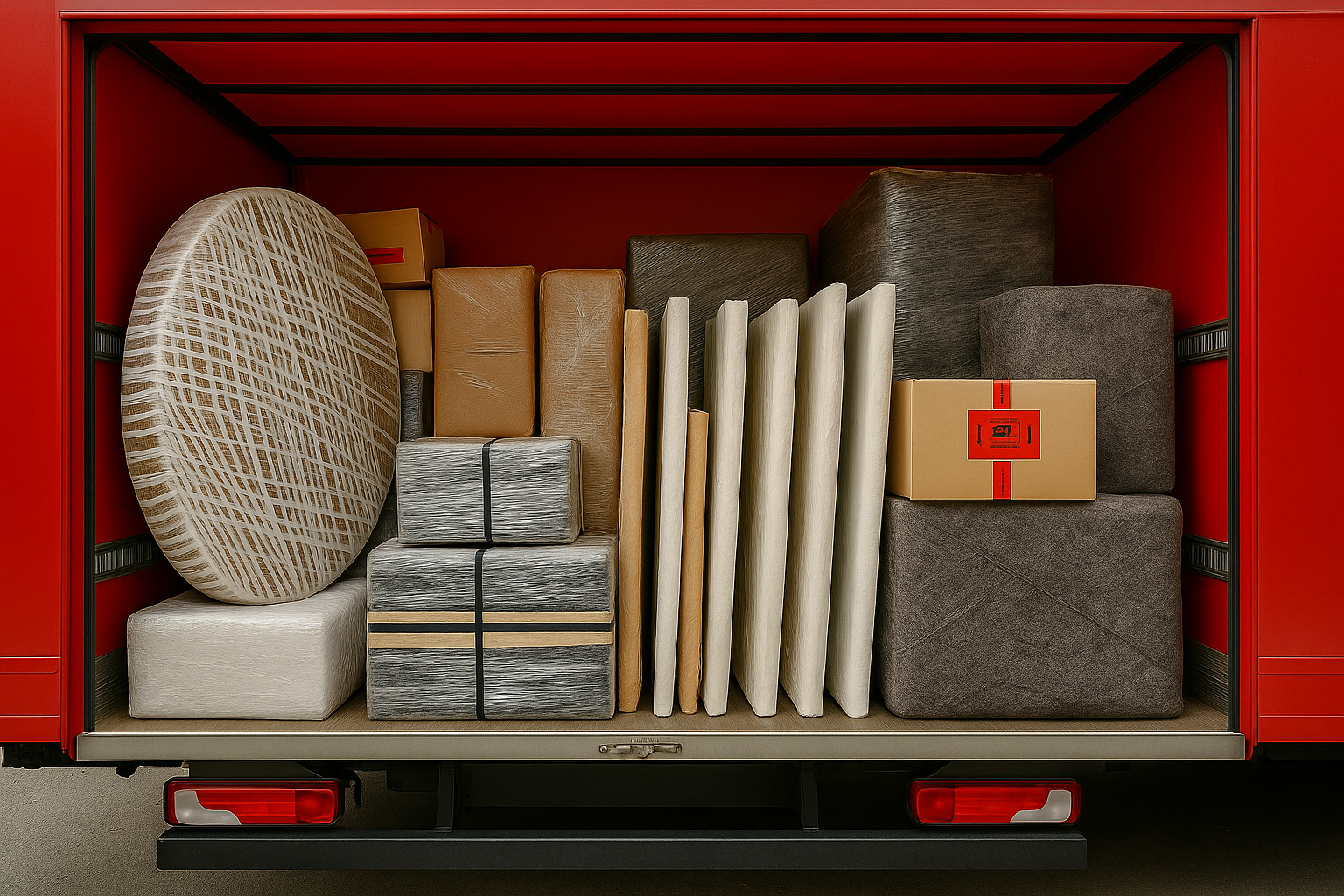
- Part load for smaller moving volumes or single pieces of furniture, ideal for interim solutions – details on the part load
- House clearance of cellars, attics and entire flats, for example when dissolving a household in the Chamissokiez – to the house clearance
- No-parking zone to secure the parking space right outside the front door – information on the no-parking zone
- Piano transport for the many musicians and creative people in the neighbourhood – see piano transport
- Furniture assembly directly at the new home, including assembly and dismantling – to furniture assembly
- Senior move with particular attention to accessibility, for example near Südstern – details on the senior move
Each service can be booked individually or combined into a tailored moving package. This results in a quote that fits the living situation in Kreuzberg exactly – from a small apartment to office space over several floors.
No-parking zone and parking when moving in Kreuzberg
Anyone who has ever looked for a parking space in Kreuzberg knows that free spaces are rare. Streets such as Oranienstraße, Kottbusser Damm or Paul-Lincke-Ufer are almost permanently parked up; add to that wide cycle lanes and, on market days, the weekly market opposite on Maybachufer on the Neukölln side. Without a reserved space, loading and unloading is considerably delayed – valuable time that quickly costs money during a move.
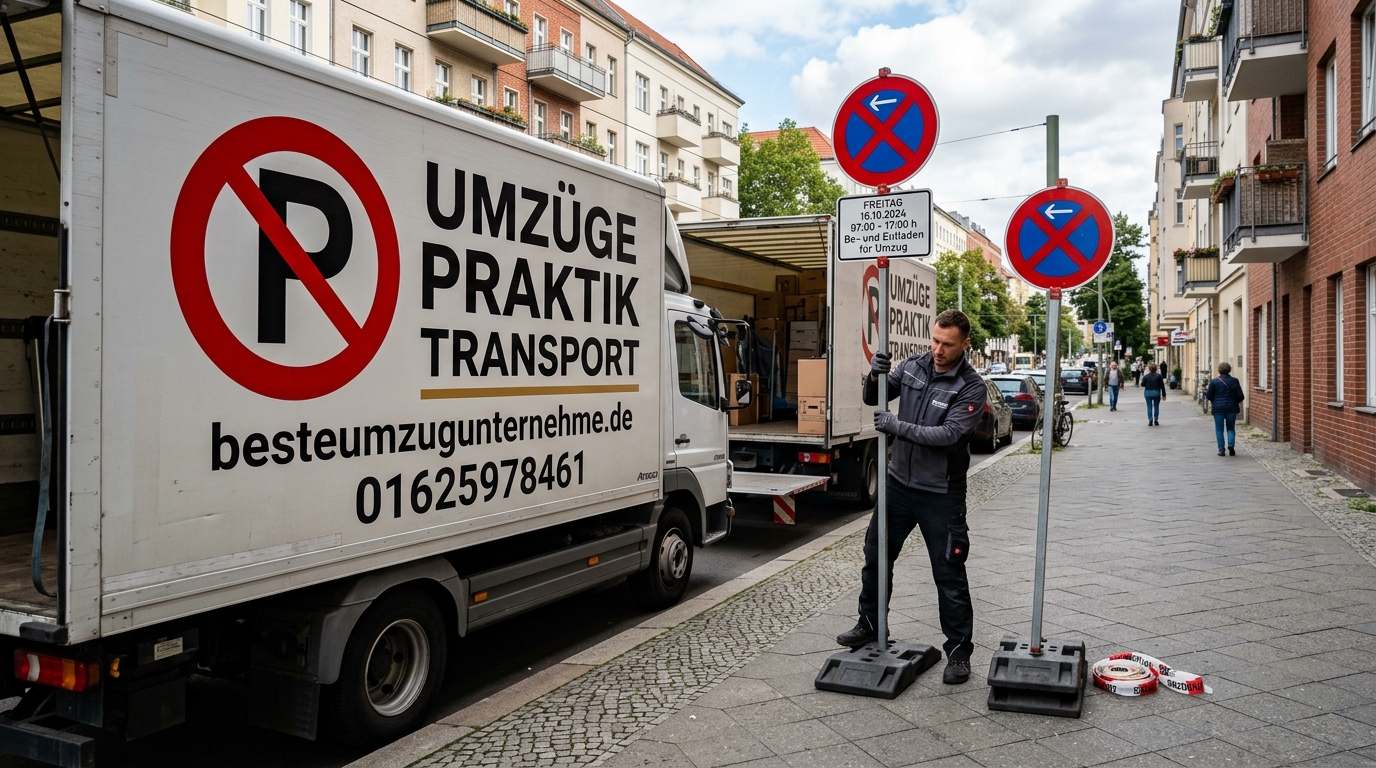
For this reason, setting up a no-parking zone in Kreuzberg is part of our standard repertoire. We take care of the application to the Friedrichshain-Kreuzberg road traffic authority, put up the mobile no-parking signs in good time before the moving date and document the signage with photos. This way there is generally enough space for the removal van on moving day – whether on narrow Naunynstraße, Wiener Straße or at busy Görlitzer Park.
Parking is particularly challenging around Kottbusser Tor and in the narrow side streets of the Graefekiez, where residents' parking and delivery traffic put additional pressure on the few spaces. On Mehringdamm and around Viktoriapark, too, a free parking space is hard to find at peak times. Our team therefore always plans the approach with sufficient lead time and checks in advance whether delivery zones, roadworks or market stalls will affect access on moving day. For customers who do not have the time or opportunity to take care of the signage themselves, we handle this part completely – including timely registration, so that everything runs smoothly on the day and the move in Kreuzberg can start without unnecessary waiting.
Moving costs in Kreuzberg – transparent fixed prices
The moving costs in Kreuzberg depend on several factors: the size of the flat, the floor, whether there is a lift, the distance to the new home and the staff and vehicles required. In a densely built neighbourhood like Kreuzberg, the access situation also plays a role – a narrow rear courtyard on Manteuffelstraße may require more time than a flat with direct street access on the Landwehrkanal.
On our Moving costs Berlin page you will find a detailed overview of price ranges and influencing factors that also apply to Kreuzberg. As a rule, after a free survey or based on your information, we calculate an individual quote and agree it as a fixed price – so there are no nasty surprises on moving day, even if moving furniture through narrow stairwells turns out to be more laborious than expected.
For smaller moving volumes, such as transporting single pieces of furniture from a flat-share on Skalitzer Straße, a part load is often worthwhile – here you share the loading space with other customers and save costs as a result. If, on the other hand, you are leaving Kreuzberg altogether and moving to Munich or Hamburg, for example, you will find suitable terms for the long journey with our long-distance moves, including interim storage if needed. This way a fairly calculated, transparent quote can be prepared for every size of move – from a single room to a multi-storey family flat – that realistically reflects Kreuzberg's particular features.
Period-building moves and furniture lifts in Kreuzberg
Hardly any other Berlin neighbourhood is as characterised by period flats as Kreuzberg. Around Bergmannstraße, Chamissoplatz or Fürbringerstraße there are numerous well-preserved Gründerzeit buildings with high ceilings, stucco elements and often narrow, winding stairwells. This architectural quality has a downside for moves, however: many of these buildings have no lift, the stairs are steep and the buildings often reach up to the fourth or fifth floor.
For exactly these situations we regularly use a furniture lift in Kreuzberg. Bulky items such as wardrobes, sofas or washing machines can be moved up or down safely via the outside window without damaging the narrow stairwell walls – much faster and more gently than carrying each item over several floors. Especially in rear buildings, which are not unusual in the Wrangelkiez or around Waldemarstraße, this solution is often the only practical option.
Delicate instruments also benefit from careful planning in period buildings: for piano transport in narrow Kreuzberg stairwells we use special transport equipment and trained staff so that neither the instrument nor the historic banister is damaged. Directly after transport we can also handle furniture assembly in the new flat on request, so that beds, shelves and wardrobes are ready to use straight away. This combination of planning for period buildings, technical equipment and careful working methods makes the difference when moving in Kreuzberg's many historic buildings.
Popular moving routes from Kreuzberg
Many moves start in Kreuzberg and lead to neighbouring areas or across the city. Residents of the Wrangelkiez or the area around Schlesisches Tor particularly often move on to Friedrichshain, which is within walking distance via the Oberbaumbrücke and offers similar neighbourhood structures with period buildings and lively street culture. Crossing the district boundary towards Neukölln, for example from the Graefekiez via Sonnenallee, is also one of the classic short routes we regularly handle.
Another popular moving route leads from Kreuzberg via Mehringdamm and Platz der Luftbrücke towards Schöneberg or Tempelhof – routes that are well served by the U6 and U7 and can therefore also be planned well logistically. Those drawn closer to the centre benefit from the proximity to the former Checkpoint Charlie and the good connections via the Anhalter Bahnhof and Yorckstraße S-Bahn stations, through which furniture transports quickly reach nearby Mitte.
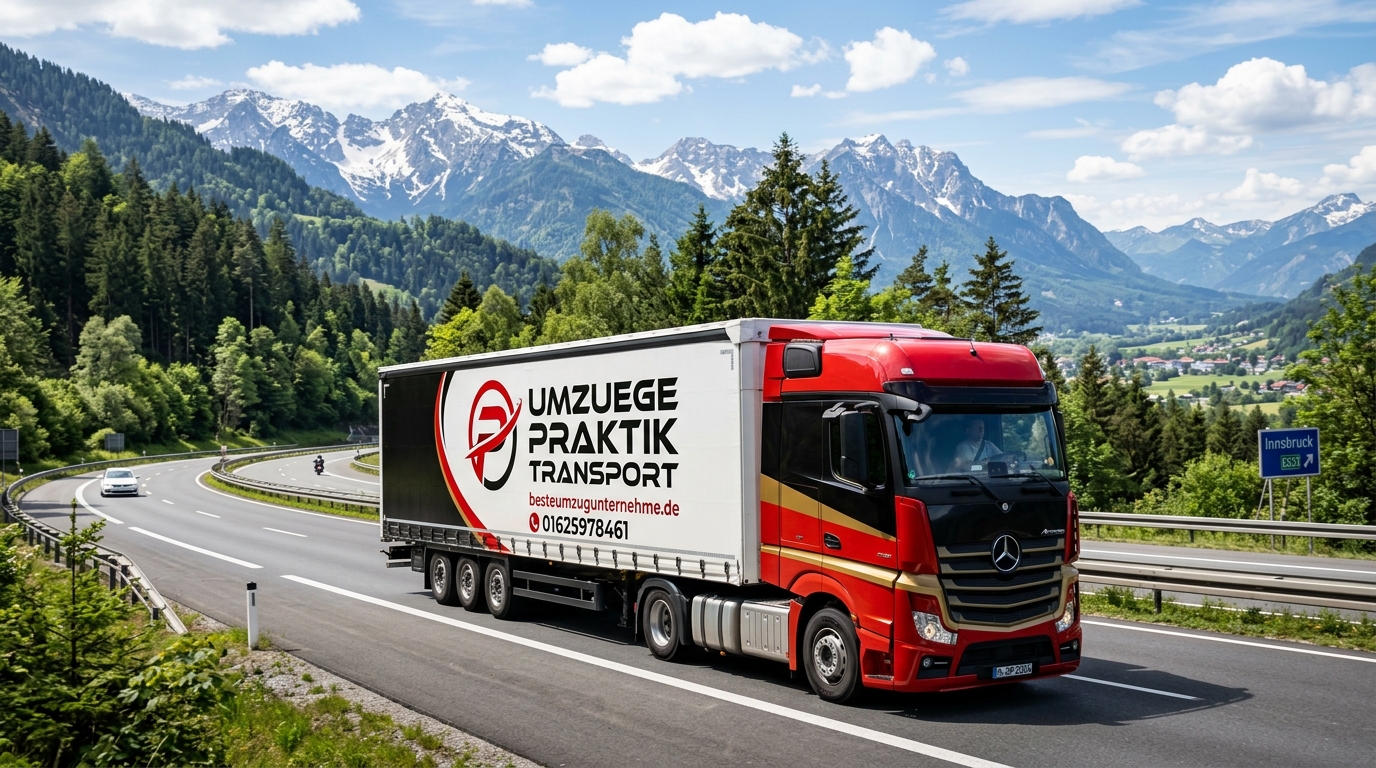
Not every move ends within Berlin, however. Many Kreuzberg households leave the city altogether, for example for Leipzig, Dresden or the Rhineland. For these routes we recommend our long-distance moves, in which we plan loading volume, route and arrival time precisely so that nothing breaks even over several hundred kilometres. Whether a short trip within the neighbourhood or a long-distance move to another federal state – we know the respective challenges, from the narrow Kreuzberg approach to the motorway connection on the edge of the city, and plan every route with the same care.
Booking your move in Kreuzberg: how we work together
We deliberately keep booking a move in Kreuzberg straightforward. In the first step, you contact us via our contact form or by phone and describe the key details: size of the flat, floor, destination and desired date. For larger moves, for example from an apartment building at Südstern or an office building on Ritterstraße, we recommend a free on-site survey so that we can realistically assess the access, rear courtyards and stair conditions.
On this basis we prepare a detailed, no-obligation quote with a fixed price covering all the services you want – from the transport run alone to a complete package with a house clearance of the old flat and assembly of the furniture at the new location. Once the order is confirmed, we take care of the no-parking zone outside your Kreuzberg address early on if needed, so that there is enough space for our vehicles on moving day.
On moving day itself our teams secure the walkways, protect stairwells and door frames and load boxes and furniture into the van properly. Especially with a senior move, we place extra emphasis on a calm, well-structured process with clear agreements, so that everything runs smoothly even with limited mobility. After transport, everything is set up in the new flat, on request including connecting lamps, shelves and kitchen appliances. This clear structure – enquiry, survey, fixed-price quote, execution – ensures that you always know what happens next throughout your move in Kreuzberg.
Insider tip: Kreuzberg away from the tourist bustle
Besides the well-known spots around Kottbusser Tor or Oranienstraße, new residents should take a look at the quieter sides of the Kreuzberg neighbourhood. Chamissoplatz, with its historic cobblestones and lovingly restored period façades, is one of the most beautiful yet less crowded squares in the neighbourhood – ideal for a quiet Sunday stroll right after the move. If you like things relaxed, you will find fresh regional produce and the popular Street Food Thursday at Markthalle Neun near Eisenbahnstraße, without the queues of tourist hotspots.
The Landwehrkanal along Paul-Lincke-Ufer also offers quiet seats by the water away from the main paths, while opposite, on Neukölln's Maybachufer, the weekly market brings lively bustle on Tuesdays and Fridays. For a view over the rooftops of Kreuzberg, it is worth climbing up to the Kreuzberg monument in Viktoriapark with its small waterfall – a green retreat that many newcomers are not even aware of at first.
Places like these show why Kreuzberg is much more than a party mile and trendy bars: it is a neighbourhood with established communities, quiet rear courtyards and a mix of art, culture and everyday life. If you have just moved to Kreuzberg, take time in the first few weeks to discover these lesser-known corners – from the Bethanien cultural centre on Mariannenplatz to the small studios in the rear courtyards of Muskauer Straße. Our team is also happy to pass on personal tips, after all we are out and about in the middle of neighbourhood life with every move.
No-parking zone in Kreuzberg: framework order and simplified procedure
For Kreuzberg, the Roads and Green Spaces Office (Straßen- und Grünflächenamt) of the Friedrichshain-Kreuzberg district is responsible, Yorckstraße 4–11, 10965 Berlin. The district describes a two-stage procedure: first you need a framework order (Rahmenanordnung), which according to the district is free of charge. With it, you apply for the specific no-parking zone under the simplified procedure. The application should be received about ten days before the work or the setting up of the signs begins. A maximum of 30 days is possible under the simplified procedure; longer periods require an individual order. For loading activities, the type of loading activity must be stated specifically.
The service portal service.berlin.de states a minimum fee of 21 euros and an average processing time of about four weeks for Berlin in general. Because the two sets of information differ, generous lead time is advisable. For Friedrichshain-Kreuzberg, according to the portal, the special use of public roads section can only be reached by appointment via email. The district gives [email protected] as the email address for the road traffic authority.
The authority only issues the order. The signs are put up by a company for construction-site safety or traffic-sign installation. You can find details of our offer under no-parking zone.
In the application, state the street, house number, period and the type of loading activity, i.e. a furniture move. For streets such as Bergmannstraße, Oranienstraße or the area around Kottbusser Tor, the same procedure applies as everywhere in the district; only the authority can name special rules for individual streets.
Parking zones in Kreuzberg: Bergmannkiez, Wrangelkiez and Graefekiez
There are several paid parking zones in Kreuzberg. In its overview, the district office lists the following zones, among others: Viktoriakiez (60), Bergmannkiez (61), Graefekiez (63), Reichenberger Kiez (64), Wrangelkiez (65), Lausitzer Platz (66) and Oranienplatz (67). Charges apply Monday to Saturday from 9 am to 10 pm. According to the district, the fee is 3 euros per hour, or 4 euros in the Bergmannkiez, the Wrangelkiez and at Lausitzer Platz. The zones are being extended step by step; you can find the current map on the district's website.
For your move this means: visitors, and therefore helpers and vehicles too, need a parking ticket during the charging hours. Without an approved no-parking zone, the same rules apply to the removal van as to all other vehicles. So clarify your street with the authority in advance.
After the move you can apply for a residents' parking permit for your zone as soon as your residence there is registered. According to the district, the permit costs 20.40 euros for two years. The neighbouring area in the same district is Friedrichshain.
For 2026 the district names further zones, including Mehringplatz (zone 69, from 1 August 2026, 4 euros per hour) and Askanischer Platz (zone 58, from 1 October 2026, also 4 euros per hour).